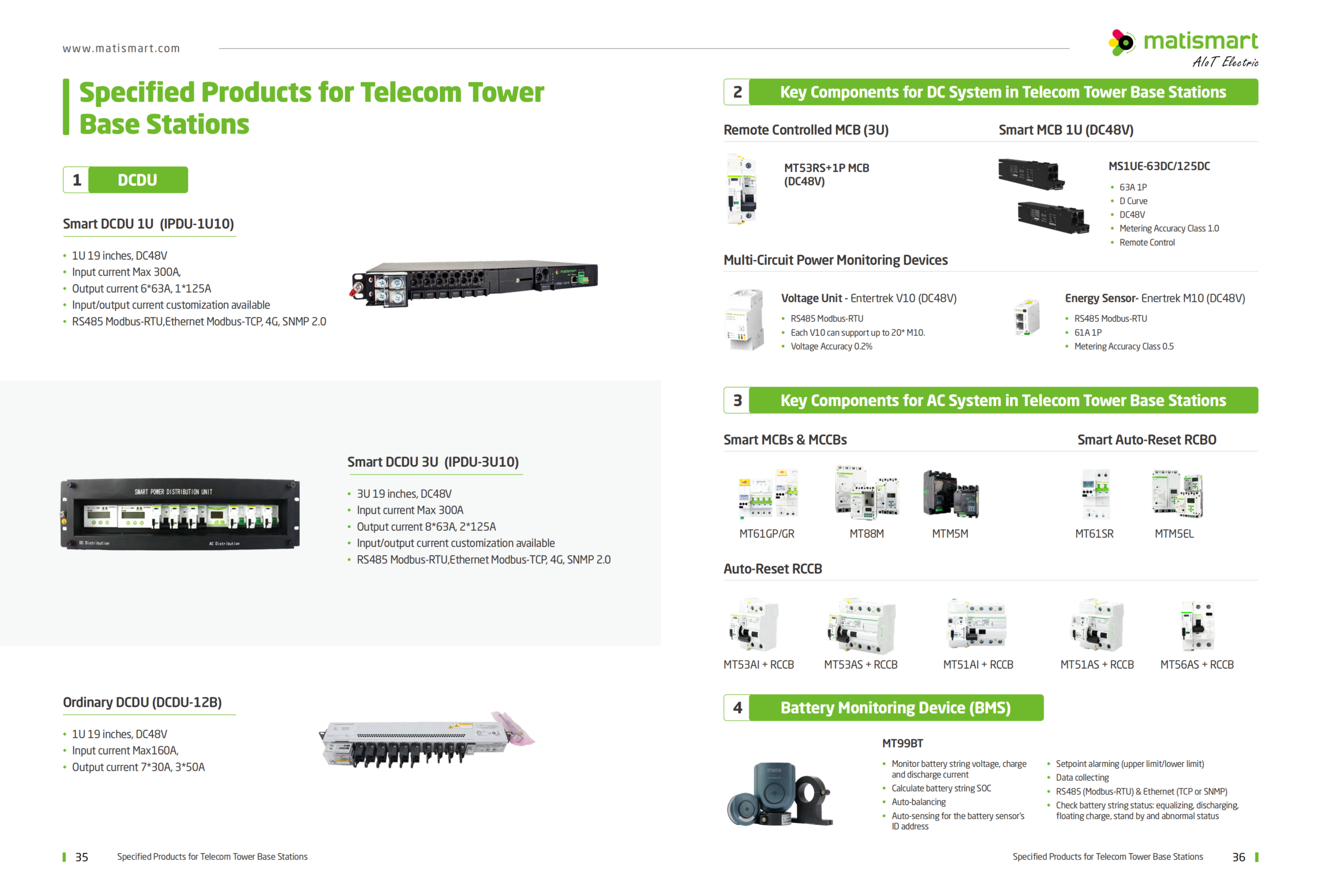



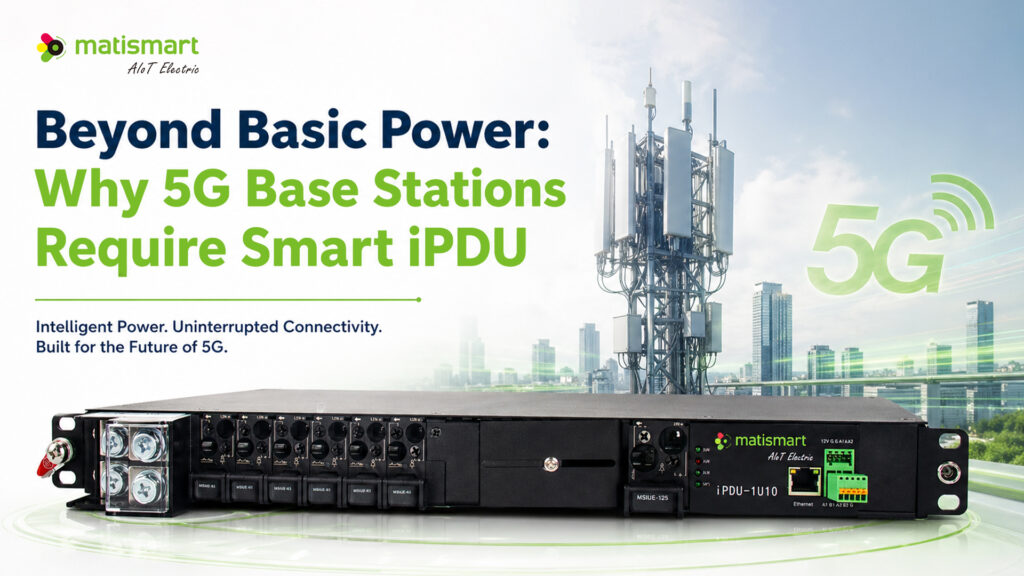
A smart iPDU for telecom towers is no longer just a luxury; it has become an essential part of modern network infrastructure. I’ve talked to many maintenance teams who still use basic "dumb" PDUs in their 5G sites, and they all face the same problem: they are flying blind. With 5G equipment demanding more power and higher reliability, you simply can't afford to manage your site's electricity without real-time data. In this guide, I’ll explain why upgrading to a smart iPDU is the only way to keep your towers running efficiently in 2026.
The Hidden Costs of Using a Basic PDU in 5G Sites
Let’s be honest—traditional PDUs were fine for 3G or 4G, but 5G is a different beast. These new base stations consume significantly more energy, and they are much more sensitive to power fluctuations.
When you use a basic PDU, you have zero visibility. If a rack-mounted device freezes, you have to send a technician on a "truck roll" just to flip a switch. I’ve seen companies waste thousands of dollars every month on these unnecessary trips. By shifting to a smart iPDU for telecom, you replace those expensive road trips with a simple click of a button from your office.
From Basic to Smart iPDU: A Technical Leap for Telecom
The jump from a standard power strip to a smart iPDU is like moving from a flip phone to a smartphone. It’s not just about delivering electricity; it's about intelligence.
In a typical 5G cabinet, a smart iPDU provides outlet-level monitoring that a basic unit can't touch. You can see exactly how much current each RRU (Remote Radio Unit) or BBU (Baseband Unit) is pulling. This data is critical for "peak shaving"—ensuring your site doesn't trip the main breaker during high-traffic hours when power demand spikes.
Key Roles of the Smart iPDU in 5G Reliability
Why is the smart iPDU for telecom so critical for the 5G era? Here are the three main roles it plays in a modern tower:
- Remote Power Cycling: This is the big one. If a gateway or server hangs, you can reboot that specific outlet remotely. This keeps your uptime high and your technicians off the road.
- Environmental Integration: Most high-quality smart iPDUs now include ports for sensors. You can monitor the temperature, humidity, and even door status of your outdoor cabinet directly through the PDU interface.
- Preventive Alerts: You can set thresholds. If a device starts drawing an unusual amount of current, the smart iPDU sends an alert before a full failure happens.
How to Choose a Telecom-Grade Smart iPDU
If you’re ready to upgrade, don't just buy a standard data center PDU. A smart iPDU for telecom needs to be rugged. Look for devices that support Modbus-RTU or SNMP protocols so they can talk to your existing site monitoring system (FSU).
Also, ensure it has a high-temperature rating. Communication boxes on a rooftop can get incredibly hot in the summer, and you need your power management to stay online when things heat up.
Conclusion
Upgrading to a smart iPDU for telecom is one of the fastest ways to improve your site's ROI. It turns a "dumb" power box into a strategic asset that saves you time, fuel, and money.
If you're still managing your 5G sites the old way, you’re leaving money on the table. Contact our technical team to see how our intelligent power solutions can modernize your tower network.