


Let’s be honest, telecom site maintenance is often a logistical nightmare. Between the remote locations and the constant risk of power trips, your team is probably spending more time in their trucks than actually fixing real problems. I’ve talked to many network managers who feel like they are just "putting out fires" every day. But what if we could handle the most common maintenance tasks without leaving the office?
That’s where remote power control comes in, and it’s completely changing how we look at telecom O&M cost reduction.
The Real Struggle with Modern Telecom Site Maintenance
The biggest drain on your budget isn’t the big repairs; it’s the small, annoying ones. Imagine a 5G site goes offline at 2:00 AM. You have to wake up a technician, pay for the overtime, and wait for them to drive two hours just to find out a breaker tripped due to a tiny power surge.
This kind of manual telecom site maintenance is slow and incredibly expensive. We found that these "truck rolls" are often unnecessary, but without the right tools, you don't have any other choice.
Using Remote Tools for Telecom Site Maintenance
In a traditional setup, you need a person on-site for almost everything. But if you look at your recent maintenance logs, you'll see a pattern. A lot of those visits were just for the following:
- Rebooting a frozen system.
- Flicking a switch back to "ON" after a temporary fault.
- Checking if the power supply is actually stable.
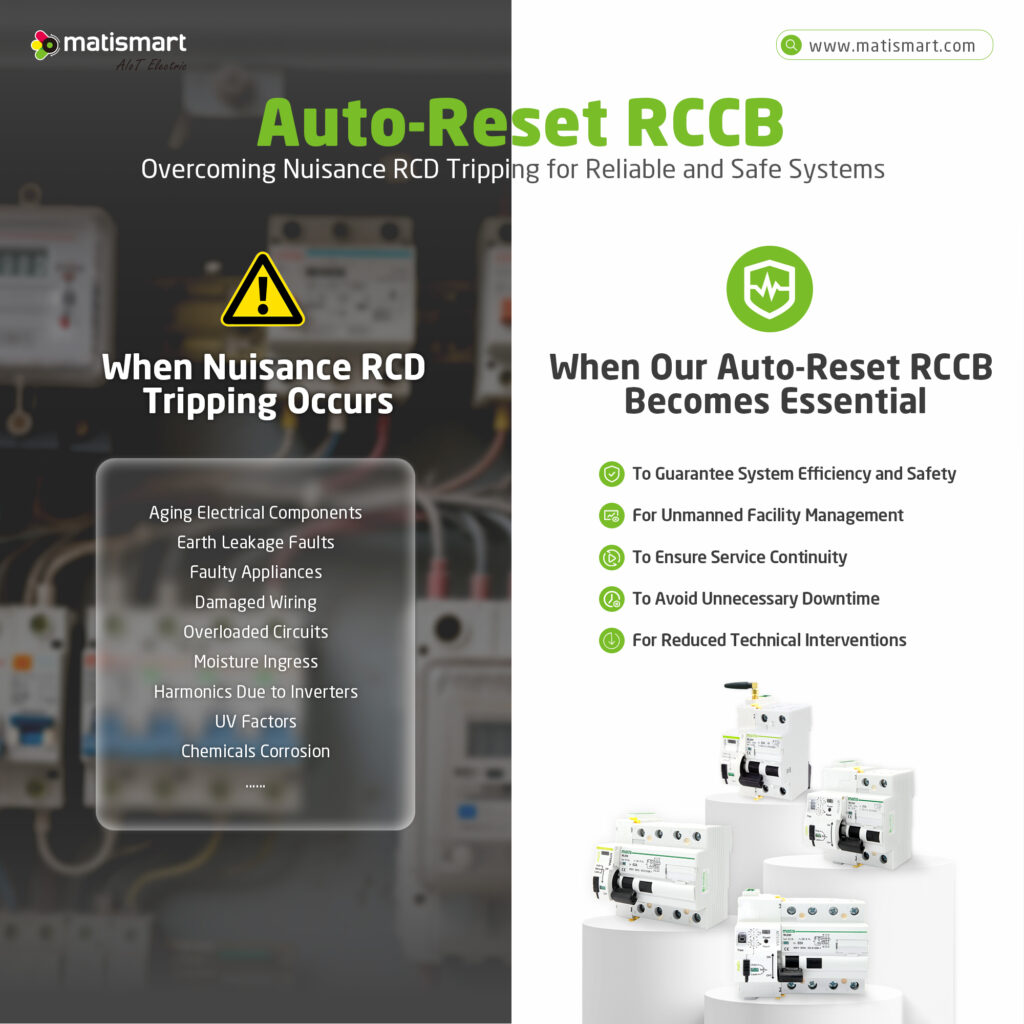
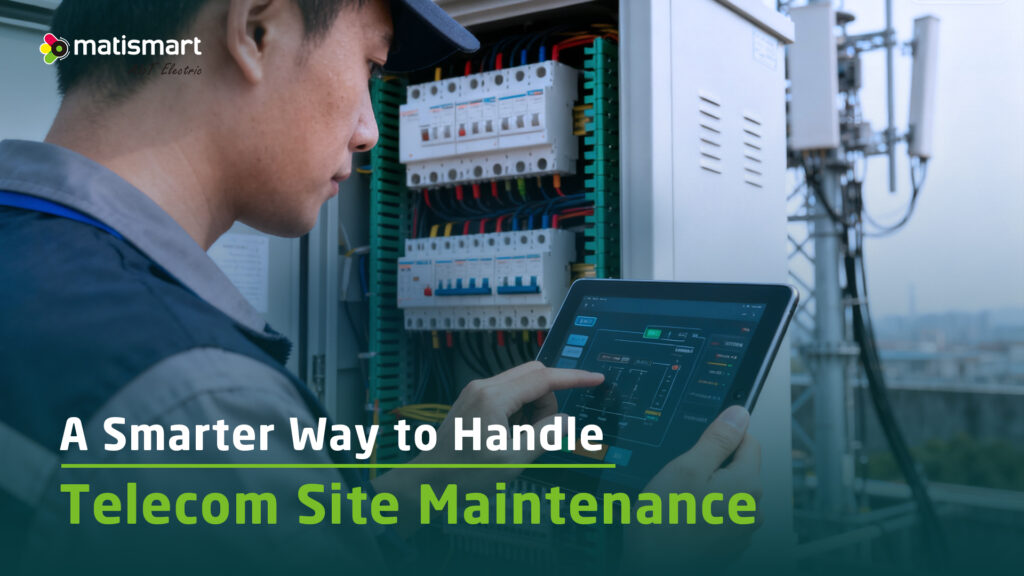
By integrating a smart remote control breaker, you essentially put a technician inside every power box. If a site goes down, you can check the status remotely and try a reset first. It’s a simple change, but it makes a massive difference in your telecom O&M cost reduction strategy.
Why Smart Recovery Improves Telecom Site Maintenance
We’ve seen the best results when operators move away from reactive maintenance. Instead of waiting for a site to fail, you can use a system that combines monitoring with remote power control.
For example, when a "transient fault" (a temporary glitch) happens, you don't even need to intervene. A smart recloser can detect the issue, wait a few seconds, and restore power automatically. This isn't just "tech for the sake of tech"—it’s about making sure your telecom site maintenance team only goes to a site when there is a real, physical problem to fix.
“Many operators find that once remote power control is enabled, a large percentage of site visits become unnecessary.” It’s about working smarter, not harder.
Conclusion
At the end of the day, telecom site maintenance shouldn't be about how many miles your trucks drive. It should be about how much "uptime" you can guarantee for your customers. By switching to remote control and auto-recovery, you keep your network running while keeping your costs under control.
If you’re tired of the old way of doing things, let’s have a chat. We’ve helped several teams modernize their sites, and we can help you find the right setup too.