


If a circuit breaker keeps tripping, do not treat repeated reset as the solution. The breaker may be responding to overload, short circuit, earth leakage, abnormal voltage, equipment failure, heat, or an unsuitable protection design.
The correct response is to identify the trip source, inspect the circuit, and decide whether restoration is allowed. Automatic or remote closing should stop when the fault continues.
Why a Circuit Breaker Keeps Tripping
Different protective devices open for different reasons. An MCB mainly responds to overcurrent. An RCCB responds to residual current. An RCBO combines overcurrent and residual-current functions. Smart breakers may also add voltage, temperature, phase, or configurable protection.
Therefore, the first diagnostic question is not simply “Why is the breaker off?” It is “Which protection operated?”
| Possible Cause | Typical Clue | Required Response |
|---|---|---|
| Overload | Trip after load runs for a period | Measure load and check cable and breaker rating |
| Short circuit | Immediate trip when circuit is energized | Keep open and locate the fault |
| Residual current or insulation fault | RCCB or RCBO operates | Inspect leakage paths and connected equipment |
| Inrush or unsuitable curve | Trip during motor, transformer, or power-supply start | Review load start current and protection coordination |
| Loose connection or heat | Discoloration, smell, or abnormal temperature | Deenergize and inspect by a qualified person |
| Abnormal voltage or phase condition | Voltage-protection alarm or repeated recovery cycle | Check supply and configured thresholds |
Do Not Reset into an Unknown Fault
One reset after a known temporary event may be part of an approved operating procedure. Repeated reset without diagnosis is different. It can re-energize damaged conductors or equipment and can make the original problem worse.
Stop and arrange inspection when the breaker trips immediately, will not latch, feels hot, shows damage, produces an unusual smell, or operates again with the loads disconnected. Also stop when the trip involves water, fire, damaged wiring, or a person receiving an electric shock.
Only a qualified person should perform electrical testing and repair according to local rules.
Collect Evidence Before Changing Settings
Changing the current rating, trip curve, residual-current threshold, or delay can hide a design or equipment problem. First collect:
- Which breaker or protective function operated
- Time and frequency of each trip
- Loads running or starting at the time
- Measured current, voltage, temperature, or leakage data
- Recent wiring, equipment, weather, or maintenance changes
- Alarm, event, and fault records
Then compare the evidence with the single-line diagram, cable rating, protection coordination, load specification, and breaker manual.
When Automatic Reclosing Should Stop
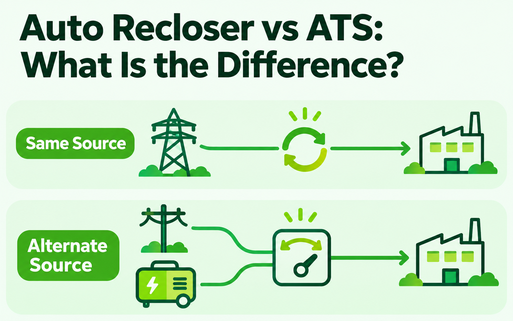
An automatic recloser supports continuity after an eligible temporary condition. It is not designed to keep forcing a circuit back into service.
A suitable controller should block or stop closing after a manual opening, continuing fault, immediate retrip, failed insulation check, emergency command, actuator failure, or maximum retry count. It should then display a lockout state that requires investigation.
The Matismart MT56 series, for example, distinguishes manual, nuisance, and permanent fault conditions and locks out after its defined permanent-fault response. That logic is product-specific and does not make all repeated trips safe to reset.
Remote Reset Needs the Same Discipline
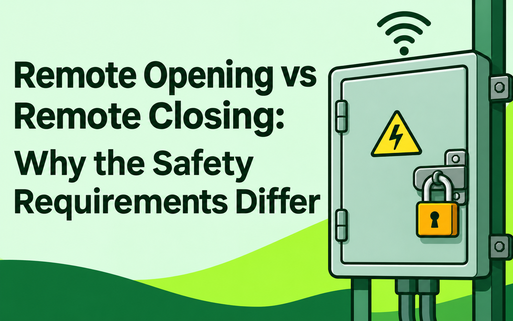
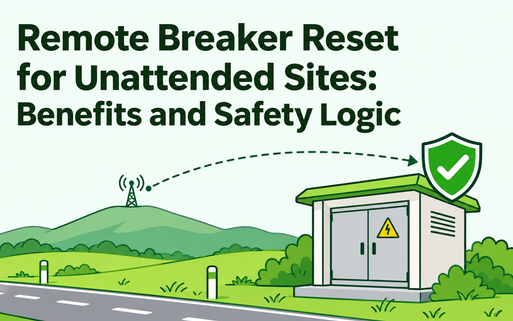
Distance does not change the electrical fault. Before a remote reset, the operator still needs current status, trip source, local mode, maintenance state, fault information, and permission.
If the site cannot provide enough information, send a qualified technician rather than guessing.
Use Trip Data to Reduce Future Outages
After the fault is corrected, keep the trip history. Repeated events at the same time, load level, or weather condition can reveal a pattern that one isolated alarm cannot show.
Trend current, leakage, voltage, and temperature when the available hardware supports them. Compare the data before and after maintenance. This helps the team verify whether the corrective action worked.
For many remote sites, better diagnosis reduces downtime more effectively than adding more automatic retries. The goal is to prevent the next fault, not only to recover from the current one.
Maintenance Requires Verified Isolation
A tripped breaker is not automatically safe to work on. Backfeed, alternate sources, stored energy, or another remote command may still create danger.
The OSHA electrical work-practice requirements call for deenergizing, lockout or tagging, and verification under the conditions they cover. Follow the applicable local procedure and regulations.
Frequently Asked Questions
Why does my breaker trip again immediately?
An immediate retrip may indicate a short circuit, significant leakage, connected equipment fault, or another continuing condition. Keep the circuit open and investigate.
Can I reset a breaker more than once?
Do not keep resetting an unknown or continuing fault. Follow the equipment instructions and approved site procedure, and arrange inspection if the trip repeats.
Can overload cause delayed tripping?
Yes. Thermal overcurrent protection can operate after a load exceeds the permitted current for a period. Measure the actual load and check the circuit design.
Will an automatic recloser fix a tripping breaker?
No. It may restore service after a permitted transient event. It cannot repair wiring, insulation, load, equipment, or protection-coordination problems.
When is remote reset not allowed?
Block it during maintenance, emergency shutdown, continuing fault, abnormal supply conditions, unknown state, actuator failure, or product lockout.
Treat Repeated Tripping as Useful Information
When a circuit breaker keeps tripping, the protection is providing evidence. Use that evidence to locate the electrical or application problem before manual, remote, or automatic restoration.
For an example of insulation checks before reclosing, see the Matismart MT53SD for compatible RCCBs.