


In a modern data infrastructure, collecting electrical numbers is only the first step of the project. If your energy data stays trapped inside individual circuit meters, your operations team cannot act on it during a crisis. To build a truly responsive environment, you must connect physical hardware to your upper-level management software. Achieving deep DCIM power telemetry integration is the most effective way to turn raw numbers into automated safety actions. It bridges the gap between passive measurement and active grid control.
Connecting Measurement and Control via DCIM Power Telemetry Integration
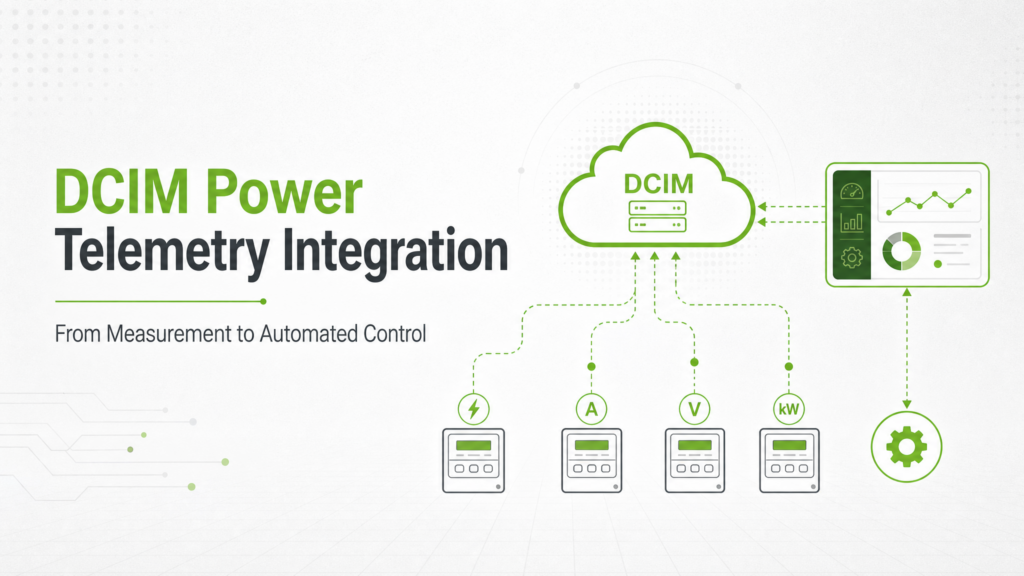
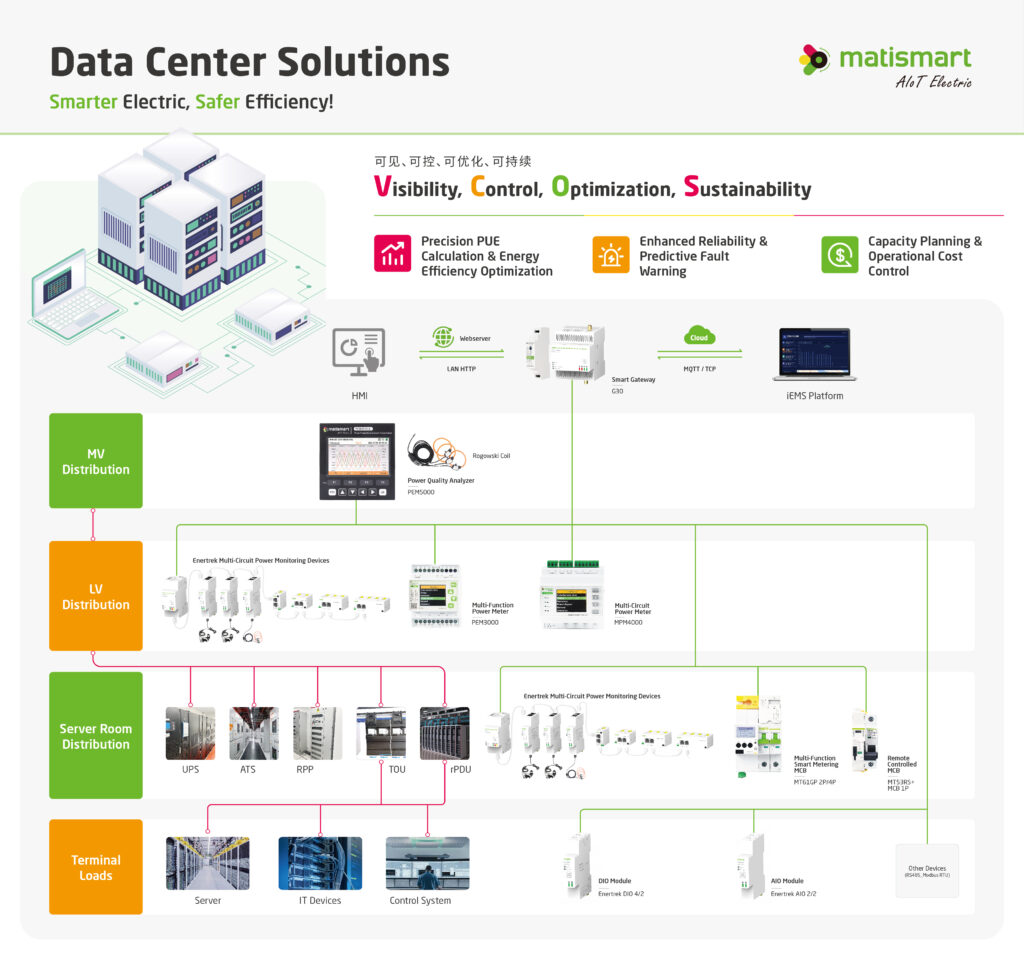
First, let us examine the layout of a fully automated power network. As illustrated in our complete architecture in the image below, a robust system requires a clear hierarchy. At the server room distribution level, multi-circuit meters like the Enertrek system gather raw telemetry from your RPPs, PDUs, and track busways.
However, a comprehensive DCIM power telemetry integration setup goes beyond simple metering. It simultaneously connects your terminal load controllers, including smart motorized circuit breakers like the MT61GP and MT53RS. Consequently, your central software does not just display energy charts. It gains the live ability to send remote control commands, allowing operators to isolate faulty rack circuits instantly during an electrical emergency.
Standardized Protocols Speed Up DCIM Power Telemetry Integration
Second, system integrators often struggle with mismatched communication standards when linking field devices. Mixing proprietary languages inside a crowded panel creates network lag and deployment errors.
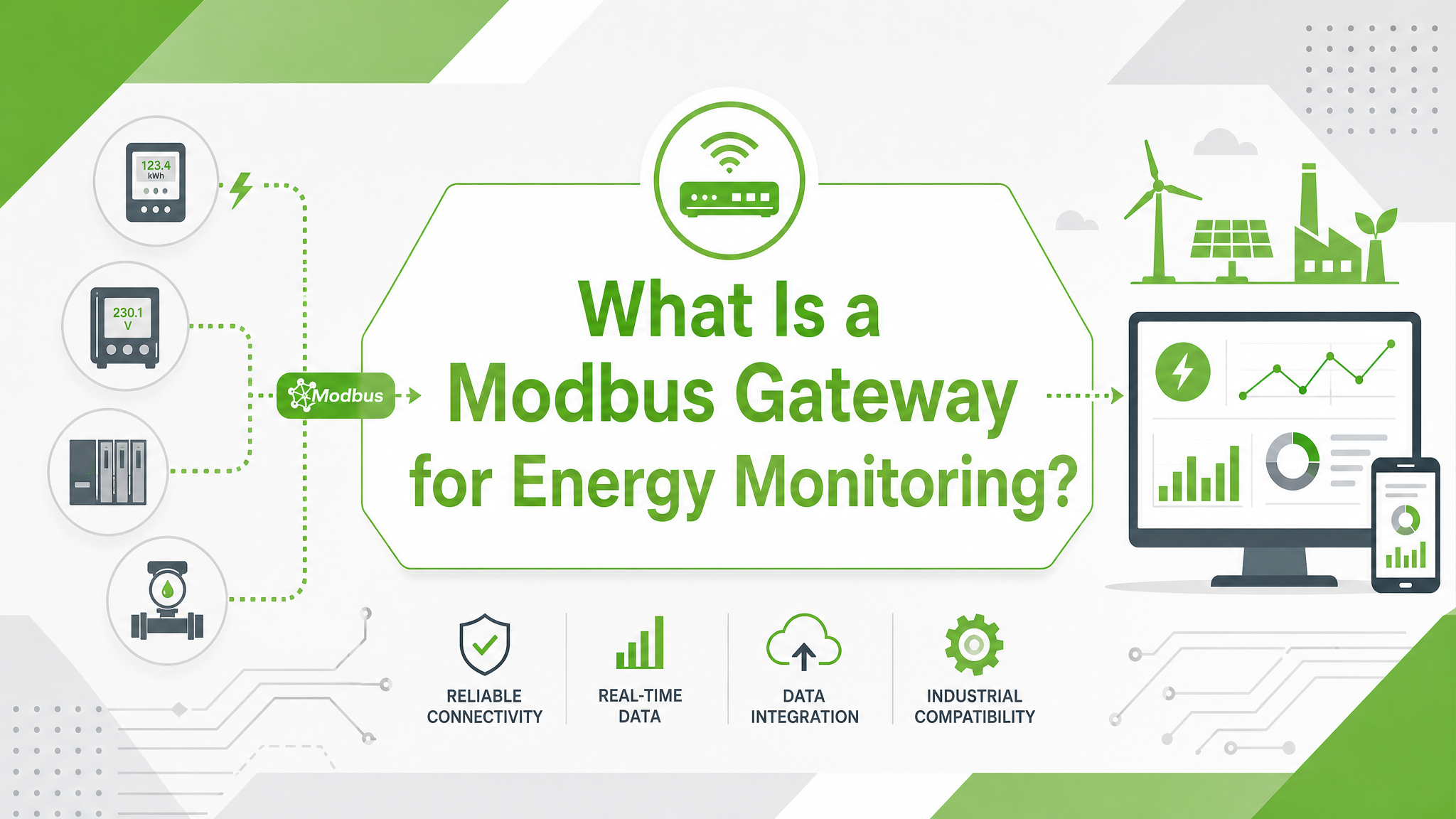
Therefore, smooth DCIM power telemetry integration relies on open industrial protocols. For example, the Enertrek platform utilizes a dedicated smart gateway to aggregate data from multiple branch circuits via RS485 Modbus-RTU. Then, the gateway converts these hardware metrics into standard Modbus-TCP or MQTT streams over a local LAN. This clean data structure allows third-party DCIM or iEMS platforms to pull precise voltage, current, and switch status data instantly without requiring custom software drivers.
Smart Digital I/O Modules Expand Automation Capabilities
Third, managing a server room involves monitoring more than just electrical currents. Environmental factors like temperature, humidity, and cabinet door access directly impact your overall uptime.
Luckily, next-generation telemetry hardware includes flexible digital input and output extensions. By deploying Enertrek DIO 4/2 and AIO 2/2 modules alongside your power meters, panel builders can capture auxiliary sensor signals smoothly. These compact modules feed environmental data into the same upstream pipeline. As a result, if a cabinet gets too hot, your integrated management software can automatically trigger an alarm or cycle a backup cooling fan before a critical server overheats.
DCIM Power Telemetry Integration FAQ
Q1: What is the main benefit of integrating smart MCBs into a DCIM system?
A1: Integrating smart MCBs like the MT53RS or MT61GP allows for remote power cycling and automated fault isolation. It transforms your DCIM from a passive monitoring dashboard into an active control network.
Q2: How do Enertrek gateways handle data transmission to third-party software?
A2: The Enertrek smart gateway collects serial data from local meters and converts it into open-standard Modbus-TCP or MQTT protocols. This allows for easy, native compatibility with almost any modern BMS or DCIM platform.
Q3: Can I monitor non-electrical parameters through the Enertrek system?
A3: Yes. By adding Enertrek DIO (Digital Input/Output) and AIO (Analog Input/Output) modules, you can integrate external sensors, such as temperature and status signals, into your central telemetry stream.
Conclusion
In the high-stakes data center industry, visibility without control is an incomplete solution. Implementing an end-to-end DCIM power telemetry integration safeguards your infrastructure from the main grid down to the individual server rack.
If you are a system integrator or facility manager looking to streamline your panel telemetry, our engineering team is here to support you. Contact our engineering team at Matismart today to discover how we can optimize your facility's safety and operational efficiency.